
How Politics and the Economy Shape Housing Choices
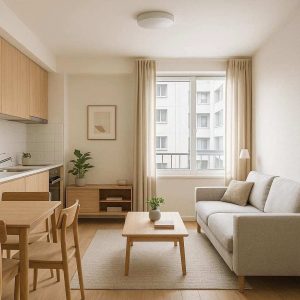 Politics and the economy affect daily life in many ways. Housing is one of the most visible examples. Changes in policies, interest rates, and regulations influence how people choose where to live.
When the economy feels uncertain, buyers become cautious. They look for residences that offer balance. This means practical size, fair pricing, and flexible use. Large and expensive units feel risky during unstable periods.
Government decisions also affect property taxes and financing. Buyers now think long-term before committing. Lentor Gardens balance unit offers security without overextending finances.
Urban planning policies influence location choices. Access to transport and essential services becomes more important. People prefer residences that reduce daily costs and travel time.
Political stability also affects investor confidence. When conditions are unclear, buyers focus on function rather than luxury. Balanced units meet this need well.
Families and professionals alike seek homes that support stability. A well-planned unit provides comfort without excess. This aligns with cautious financial behavior during economic shifts.
As policies change, flexibility becomes valuable. Residences that adapt to different needs help protect long-term value.
What a Balanced Residential Unit Really Means
A balanced residential unit focuses on usability. Every space serves a purpose. There is no wasted area or unnecessary design.
Living areas are sized for daily comfort. They are not oversized, but they do not feel cramped. This balance supports relaxed living without high costs.
Bedrooms offer privacy and rest. Proper placement away from noise improves sleep. Good rest supports productivity and health.
Kitchens are designed for efficiency. Compact layouts reduce movement and save time. This supports daily routines and lowers renovation costs.
Storage is built into the design. This reduces clutter and the need for extra furniture. A clean space supports mental clarity.
Natural light is part of the balance. Well-placed windows reduce energy use. This lowers monthly expenses and improves comfort.
Ventilation is also important. Fresh air improves indoor quality. This supports health without added systems.
A balanced unit also considers future needs. Spaces that can shift roles add value. A study area can become a bedroom or office.
Maintenance costs matter as well. Durable materials reduce repair expenses. This protects long-term finances.
Overall, balance means living well within reasonable limits. It supports both comfort and control.
Why Balanced Units Matter in Financial Planning
A residence is often the largest financial commitment. Choosing a balanced unit helps manage risk. It prevents overspending during uncertain times.
Balanced units are easier to maintain. Lower upkeep costs support steady budgeting. This matters when income or expenses change.
These units also hold appeal in the rental market. Tenants prefer practical layouts. This supports consistent rental demand.
During economic slowdowns, affordable units perform better. They attract a wider market. This protects resale value.
Balanced units also align with responsible borrowing. Smaller loans reduce interest exposure. This lowers long-term financial pressure.
For families, balance supports stability. Children benefit from safe and functional spaces. Parents benefit from manageable expenses.
For professionals, balanced units support work-life balance. Functional layouts allow home offices without major changes.
Investors also see value in balance. Units that meet common needs sell faster. This improves liquidity when markets shift.
Policy changes can affect property ownership. Balanced units reduce exposure to sudden cost increases. This adds a layer of protection.
In times of uncertainty, flexibility matters. Balanced residences offer that flexibility. They support changing lifestyles without heavy costs.
As politics and the economy continue to shift, housing choices must adapt. Balanced residential units offer a practical response. They combine comfort, control, and foresight.
Living smart means planning for change. A balanced unit supports this mindset. It provides a stable base in an unpredictable world.