
The Hidden Influence of Supply Chains on Global Economic PolicyThe Hidden Influence of Supply Chains on Global Economic Policy
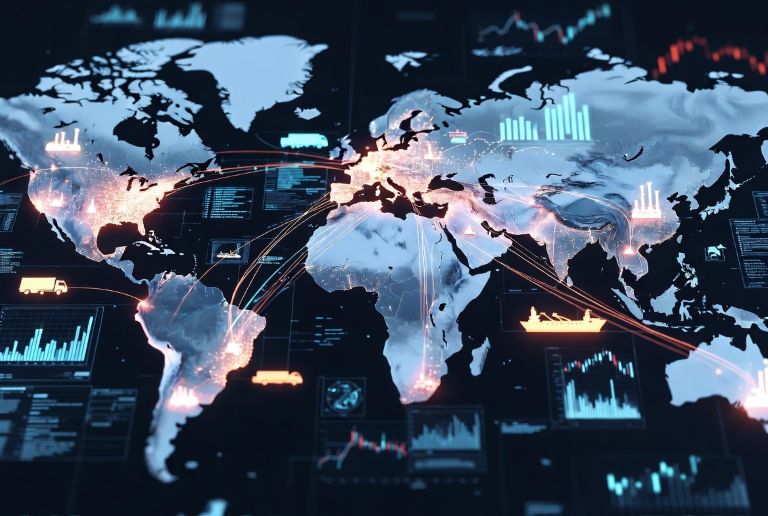
The COVID-19 pandemic revealed a tough reality: supply chain breakdowns can shake the global economy far more quickly than many experts expect. Ships stacked up at ports, factories stopped, and shortages hit everything from computer chips to everyday groceries.
The Limits of Traditional Economic Tools
Policymakers often lean on familiar numbers like GDP growth, unemployment rates, and inflation figures when they make big decisions. These indicators give useful overviews, but they usually show problems only after they have already begun. A sudden rise in shipping delays or raw material shortages can warn of trouble long before it appears in quarterly reports. Research from the Federal Reserve Bank of New York shows that supply chain pressures played a major role in the inflation spikes of 2021 and 2022, contributing roughly a quarter of the increase in the United States.
Policymakers increasingly rely on digital marketing insights and consumer behavior data to track demand. These sources help spot shifts in spending and public sentiment quickly. Yet many leaders still pay less attention to supply chain intelligence that tracks the actual movement of goods and materials. This gap leaves governments reacting instead of preparing ahead.
Supply Chain Signals as Early Warnings
Real-time supply chain data offers a different picture. Shipping rates, port traffic, and supplier delays act like an early alert system for the economy. When the Suez Canal was blocked in 2021, logistics trackers caught the impact on global trade routes immediately. Standard economic reports, such as monthly trade figures, took much longer to reflect the damage. Experts note that the New York Fed’s Global Supply Chain Pressure Index captured these shifts through changes in delivery times and costs, providing clues that could guide trade policy and tariffs earlier.
Traditional indicators focus on what has already happened. Supply chain signals show what is happening now and what may come next. Data indicates that companies and countries with strong visibility into their logistics networks handle shocks better and recover faster. McKinsey research finds that major disruptions now occur every 3.7 years on average and can wipe out up to 45 percent of one year’s profits for affected firms over a decade.
Why Integration Matters for Better Policy
These challenges show a clear weakness in how economic decisions are made today. Leaders favor visible metrics that match political timelines and public attention. Supply chain information often feels too detailed or technical. However, overlooking it creates serious blind spots in areas like inflation control, job protection, and national security.
Bringing supply chain intelligence together with traditional data and consumer trend analysis would lead to smarter choices. Central banks could consider port congestion levels when setting interest rates. Trade officials could use live information on critical materials to design better incentives, similar to the CHIPS Act for semiconductors. Understanding their ripple effects on small businesses and mortgages makes it even clearer why policymakers need this fuller picture. The World Economic Forum has highlighted how growing geopolitical tensions make this kind of forward-looking approach essential.
Of course, combining these systems is not simple. It requires secure data sharing between private companies and governments. It also needs investment in skills and technology. Still, the benefits would be worth it. Nations with better logistics tracking tend to experience steadier growth even during uncertain times.
A Path Toward More Resilient Decisions
In the end, blending these different views creates stronger economic policy. Traditional indicators lay the foundation, while supply chain signals add crucial detail and timing. Consumer behavior data and marketing intelligence complete the demand side of the picture. By weaving logistics intelligence into the mix, leaders gain a fuller understanding of how the real economy functions.
The hidden influence of supply chains on global economic policy has become too significant to ignore. As disruptions grow more common in our connected world, using a wider set of tools will help craft policies that protect jobs, stabilize prices, and build lasting strength. Policymakers who listen closely to these real-time signals will be better equipped to turn vulnerabilities into advantages for the future.
March 25, 2026March 25, 2026